
Principal Investigator of NanoBiosensors and Biodevices Laboratory
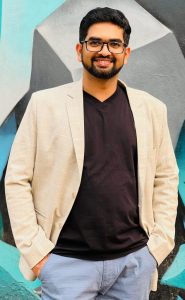
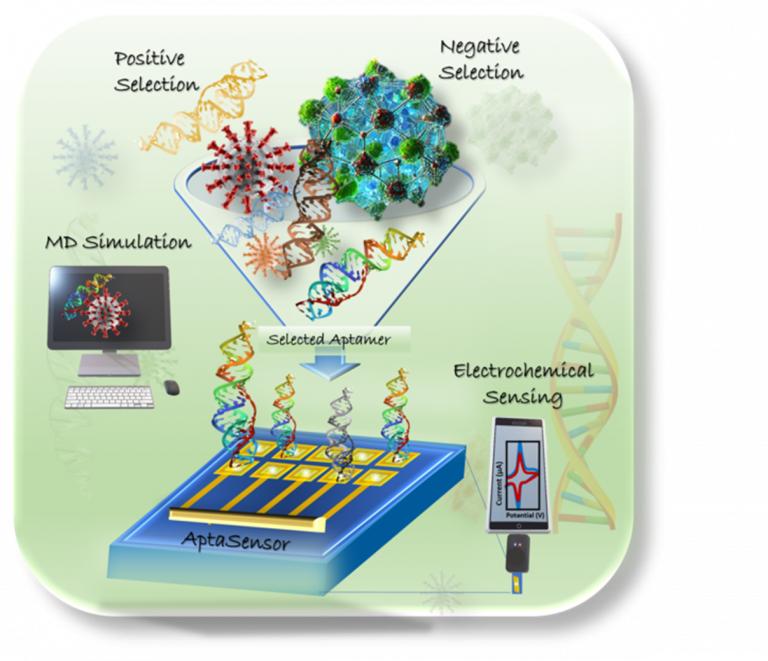
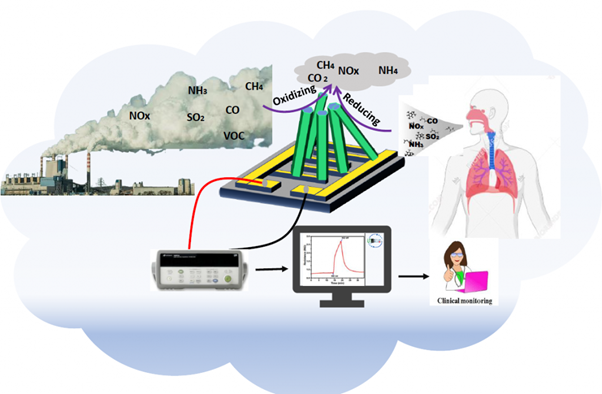
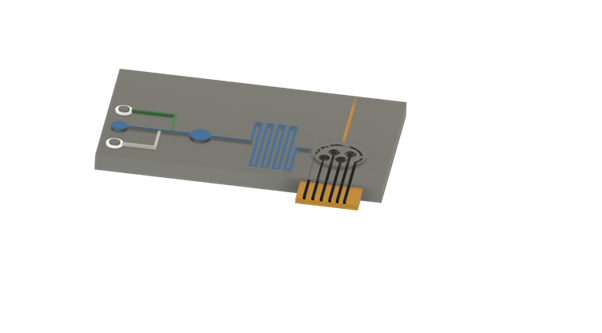
Dr. Gorachand Dutta, PhD is an Assistant Professor at School of Medical Science and Technology, Indian Institute of Technology Kharagpur. He received M.Sc. degree in Chemistry from Indian Institute of Technology, Guwahati, India. His research interests include designing and characterising portable biosensors, biodevices and sensor interfaces for miniaturized systems and biomedical applications for point-of-care testing. He received his Ph.D in Biosensor and Electrochemistry from Pusan National University, South Korea, where he developed different classes of electrochemical sensors and studied the electrochemical properties of gold, platinum, and palladium-based metal electrodes. He completed his Post-doctoral fellowships in the Department of Mechanical Engineering, Michigan State University, USA and the Department of Electronic and Electrical Engineering at the University of Bath, UK. During his research tenure in USA and UK, Dr. Dutta invented an enzyme-free, disposable miniaturized immunosensor chip using micropatterned electrode and wash-free method for the development of mobile phone-based platforms for fast and simple point-of-care testing of infectious and metabolic disease biomarkers. The main objective of his research work at University of Bath was the development of a painless, disposable interstitial fluid glucose monitoring patch, incorporating electrochemical enzymeless biosensors and passive sample extraction microfluidics in a single, low-cost and disposable patch. He has expertise on label-free multichannel electrochemical biosensors, electronically addressable biosensor arrays, aptamer- and DNA-based sensors and surface bio-functionalization. Also his focused areas: (1) integration of biosensors with fuel cell for self-powered biodevices, (2) low-cost, fully integrated biosensor devices using Lab-on-Printed Circuit Board (PCB) approach, (3) enzyme based immunosensor (ELISA), (4) ultra-sensitive biosensors using magnetic bead assays, nanoparticles, CNT, dendrimer, (5) Lab-on-a-Chip devices for biomedical diagnostics, (6) bio-nanotechnology for drug delivery, (7) microfluidics.
International Collaborator
Prof. Peter B. Lillehoj Prof. Despina Moschou
Mechanical Engineering Centre for Biosensors, Bioelectronics and Biodevices (C3Bio)
Rice University University of Bath

Prof. Pedro Estrel Prof. Bernhard Wolfrum
Centre for Biosensors, Bioelectronics and Biodevices (C3Bio) Electrical, Electronic and Computer Engineering
University of Bath Technical University of Munich